
What is Your Digital Footprint? A Beginner's Guide to Staying Safe Online
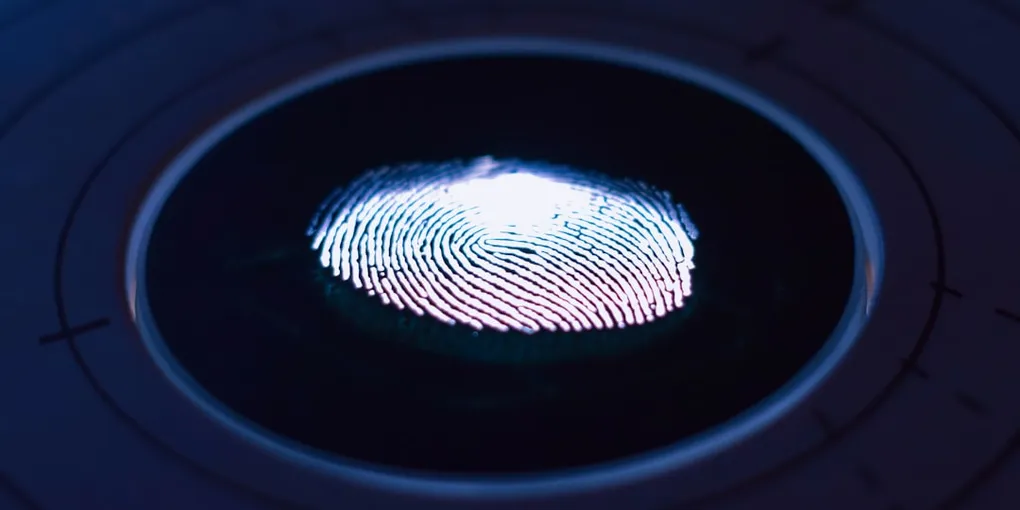
Imagine walking along a wet, sandy beach. Every step you take leaves an impression behind. Even after you move on, someone walking behind you can tell where you went, how fast you moved, and even what kind of shoes you were wearing.
In the digital world, you leave behind a similar path every single time you use the internet. This is known as your digital footprint. From the photos you upload to the simple web pages you visit, your online actions create a trail of data.
Whether you are completely new to cybersecurity or just curious about how to protect your personal privacy online, understanding your digital footprint is the perfect place to start. Let us break down what it is, why it matters, and how you can take control of it today.
Active vs. Passive Footprints: How You Leave Your Mark
Your digital footprint is split into two main categories: active and passive.
An active digital footprint consists of data you intentionally leave behind. This includes:
- Writing a comment on a news article or video
- Filling out a contact form on a website
- Posting a picture on social media
- Registering for a new subscription service
A passive digital footprint happens quietly in the background without your direct input. This includes:
- Websites tracking your general location using your IP address
- Shopping sites recording which products you looked at, even if you did not buy anything
- Mobile apps logging your physical coordinates while running in the background
Together, these two trails build a detailed picture of who you are, what you like, where you live, and who your friends are.
Why Does Your Digital Footprint Matter?
You might think, ‘I have nothing to hide, so why should I worry?’
While targeted advertising uses your footprint to show you relevant products, cybercriminals also use that exact same information to target you. Here is how your footprint can be used against you:
-
Targeted Phishing Attacks: Scammers can look at your public social media profiles to see where you bank, where you work, or which brands you love. They can then send a convincing fake email pretending to be your bank or employer.
-
Identity Theft: If enough personal information is leaked across various websites—like your full name, birth date, phone number, and pet name—hackers can piece it together to reset your passwords or open fraudulent accounts.
-
Unintended Long-Term Consequences: Employers, schools, and even potential landlords frequently search the web to review candidates. Something you posted years ago could come back to cause confusion or lower your chances of landing a job.
Five Easy Ways to Clean Up Your Trail
The good news is that you do not need to delete the internet or go completely off the grid to protect yourself. Taking control of your digital footprint requires just a few simple habits:
-
Search Yourself Online Start by typing your full name into a search engine like Google or DuckDuckGo. Look through the first few pages of results. You might be surprised to find old forum posts, old blog entries, or personal phone numbers listed on public directories. Knowing what is out there is the first step toward removing it.
-
Delete Unused Accounts Most of us have created accounts for random online stores, forums, or services that we used once and forgot about. If those companies suffer a data breach, your personal details could be leaked. Go back and permanently delete old accounts you no longer need.
-
Adjust Your Privacy Settings Check the privacy settings on your favorite social media platforms like Instagram, LinkedIn, or Facebook. By default, many platforms set your profile to public. Change your settings to private so only friends and family can see your updates, photos, and personal details.
-
Clean Up Mobile App Permissions Take a look at the apps installed on your smartphone. Does a simple flashlight app really need access to your location or contacts? Go to your phone settings and revoke permissions for apps that do not actually need them.
-
Think Before You Post Before sharing a post, ask yourself a simple question: Would I be comfortable with a stranger reading this? Avoid posting sensitive personal details like your address, home phone number, or boarding pass barcodes.
Taking Charge of Your Digital Privacy
Managing your digital footprint is not about living in fear or avoiding the internet altogether. Modern life relies on digital connections, and sharing things online can be fun and rewarding.
Instead, it is about being intentional. By making small, smart adjustments to how you navigate the internet, you can enjoy all the benefits of being connected while keeping your personal life private and secure.
Photo by George Prentzas on Unsplash.